
Intel Arc G3 vs AMD Gaming Handhelds — What Computex 2026 Revealed
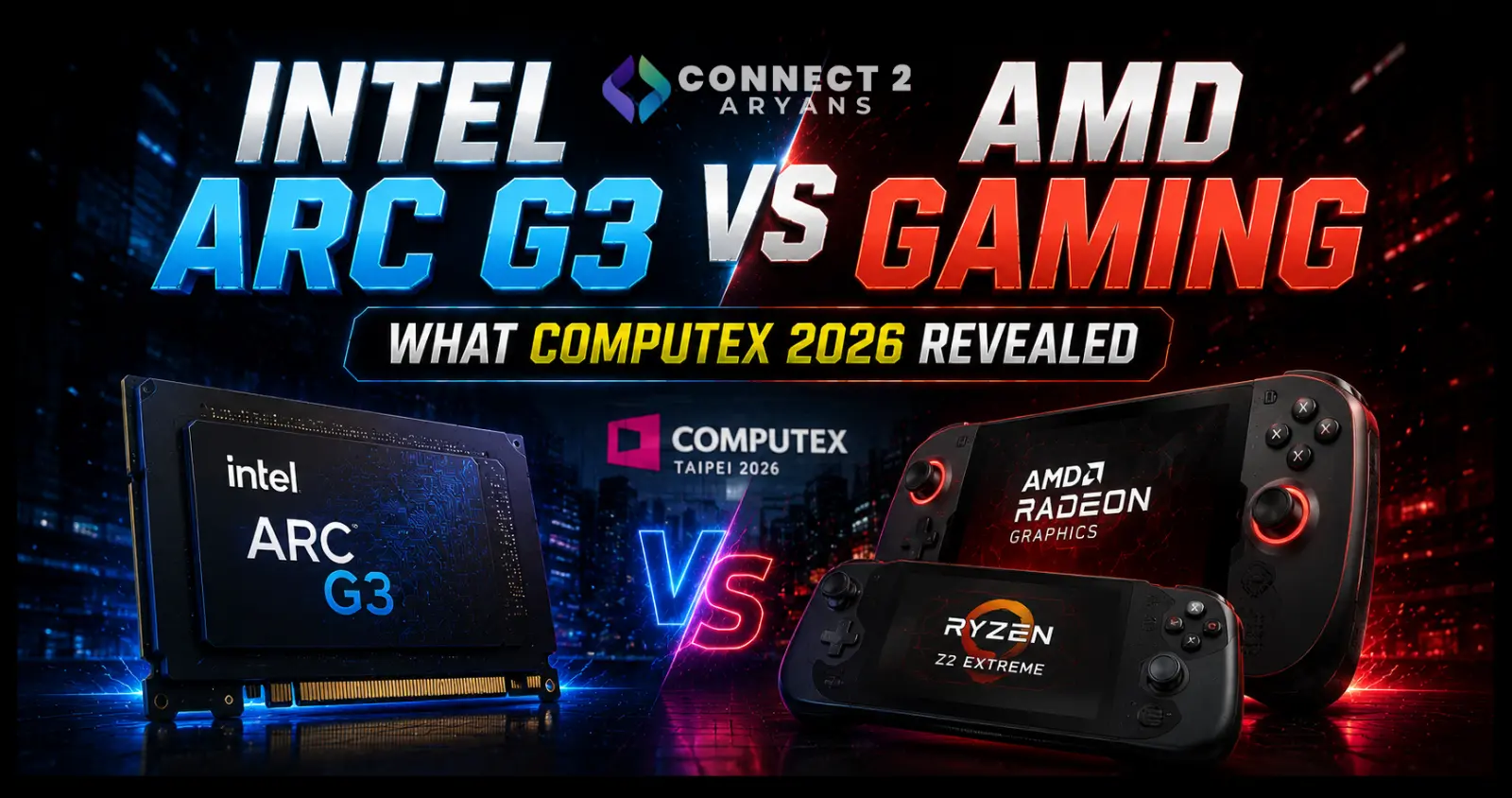
For years, AMD has effectively owned the gaming handheld chip market — the Steam Deck, ASUS ROG Ally, and most competing devices all run on AMD silicon. At Computex 2026, Intel made its most serious move yet to challenge that position with a new line of chips built specifically for handheld gaming devices. Here's what was revealed.
What Intel Announced
Intel unveiled two new chips purpose-built for gaming handhelds: the Arc G3 and Arc G3 Extreme, both built on the same underlying architecture as Intel's Panther Lake (Core Ultra Series 3) platform.
- Arc G3 Extreme specs: Arc B370 or B390 integrated graphics, 14 CPU cores, maximum 35W TDP — specifications specifically tuned for the power and thermal constraints of a handheld device
- Confirmed devices set to use these chips include the Acer Predator Atlas 8, the MSI Claw 8 EX AI+, and a OneXPlayer model
This is a genuinely new category for Intel — previous handheld gaming devices have almost exclusively relied on AMD's Ryzen Z-series chips, with Intel largely absent from the space.
Early Performance Impressions
Based on hands-on testing and benchmark comparisons following the reveal:
- Using Panther Lake laptop benchmark data (which shares the same Xe3 GPU architecture as the Arc G3 Extreme), independent testing suggests competitive or superior gaming frame rates compared to AMD's current Ryzen Z2 Extreme chip used in existing handhelds
- Hands-on impressions from journalists testing the MSI Claw 8 EX AI+ (one of the first devices built around the Arc G3 Extreme) were notably positive, with one reporter's informal assessment following testing time suggesting AMD's current handheld chips may be facing genuine competition for the first time
It's worth being appropriately cautious here: these are early impressions and benchmark comparisons using related-architecture data, not full independent reviews of shipping retail devices. Real-world performance across a broad range of games, battery life under actual use, and pricing will matter significantly once devices are actually available.
Why This Matters for the Handheld Gaming Market
- More competition typically benefits buyers — if Intel's entry pushes AMD to respond with stronger next-generation handheld chips, the overall pace of improvement in this category likely accelerates
- More device variety — manufacturers previously limited to AMD silicon for handheld builds now have a genuine alternative platform to design around, potentially leading to more device options and configurations
- This could affect pricing competition across handheld gaming devices generally, as manufacturers compete on more than just AMD-based specs
What This Means If You're Considering a Gaming Handheld
- If you're buying right now, current AMD-based handhelds remain a proven, well-reviewed option with an established track record
- If you can wait, it's worth watching for full independent reviews of Intel Arc G3-based devices once they actually ship, since early impressions — while promising — aren't a substitute for comprehensive real-world testing
- Battery life and software compatibility are worth watching closely for the new Intel-based devices specifically, since these are areas where AMD's handheld chips have had years of real-world refinement that a brand-new platform hasn't yet accumulated
Final Thoughts
Intel's entry into the gaming handheld chip market with Arc G3 is a genuinely significant development after years of AMD dominance in the space, and early hands-on impressions are promising. That said, early show-floor testing isn't the same as comprehensive independent reviews of shipping devices — worth watching closely as the Acer Predator Atlas 8, MSI Claw 8 EX AI+, and other Arc G3 devices actually reach the market and get put through full testing.
Browse our full range of Gaming Laptops and gaming devices on Connect2Aryans, with warranty support included.