
Filters
Price Range
From
To
Brand
Availability
Printers & Scanners » Scanners
Shop scanners in Pakistan for home, office, study, and professional document digitization. Compare document and flatbed scanners, scan resolution, speed, automatic document feeders, duplex scanning, connectivity, supported media, and available models to find the right scanner for your requirements.
6 Products
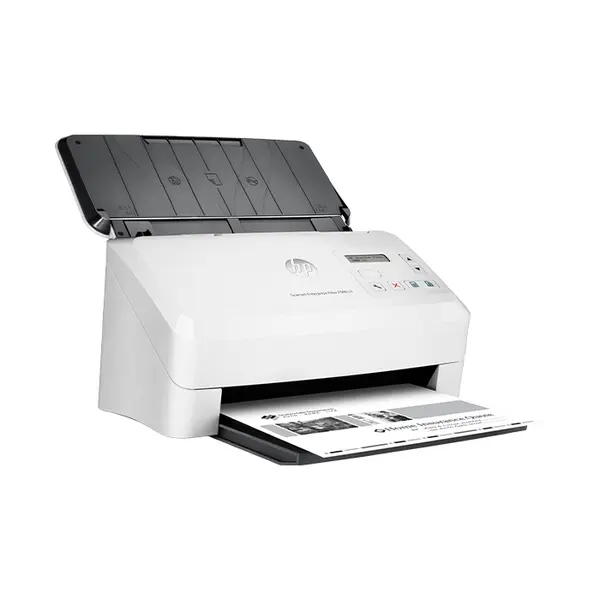
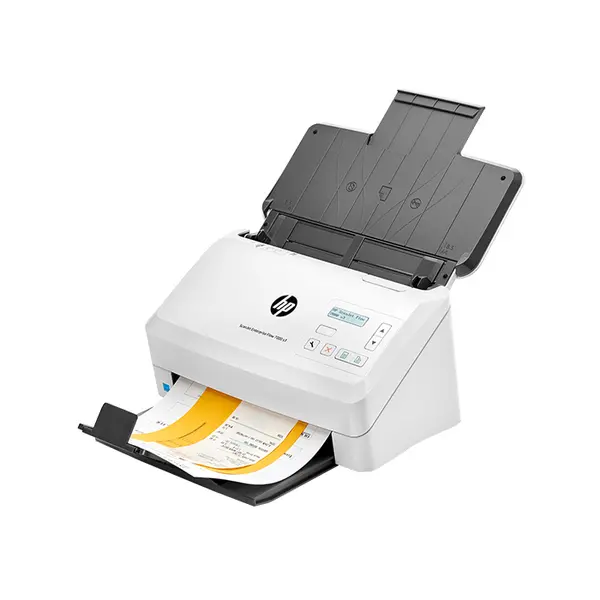
Quick view
Rs. 220,000
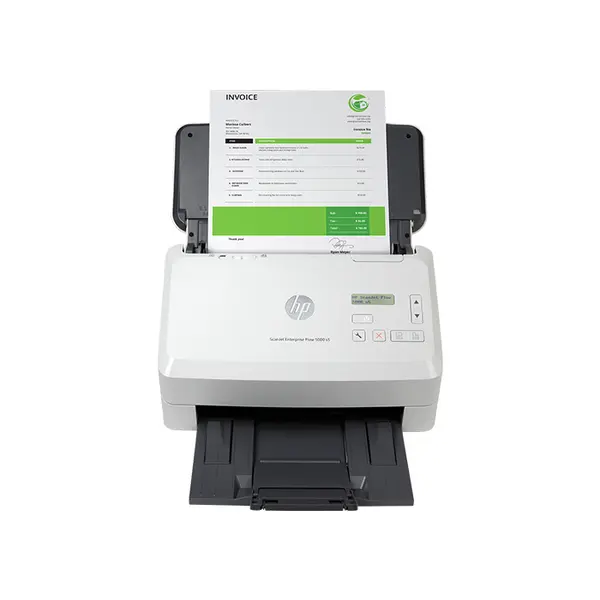
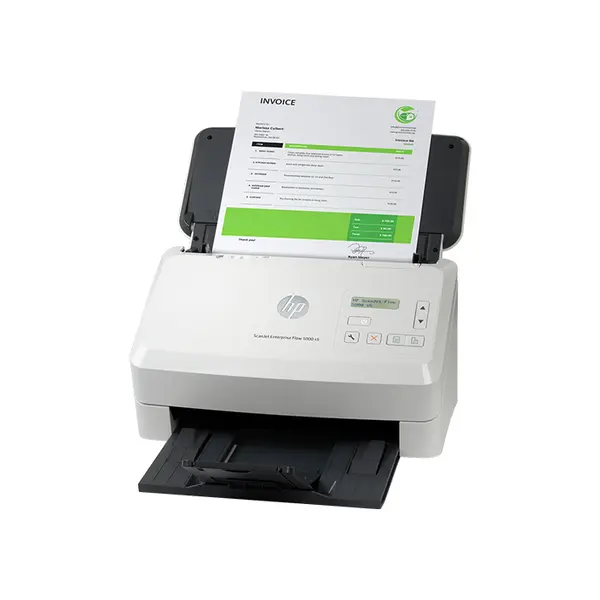
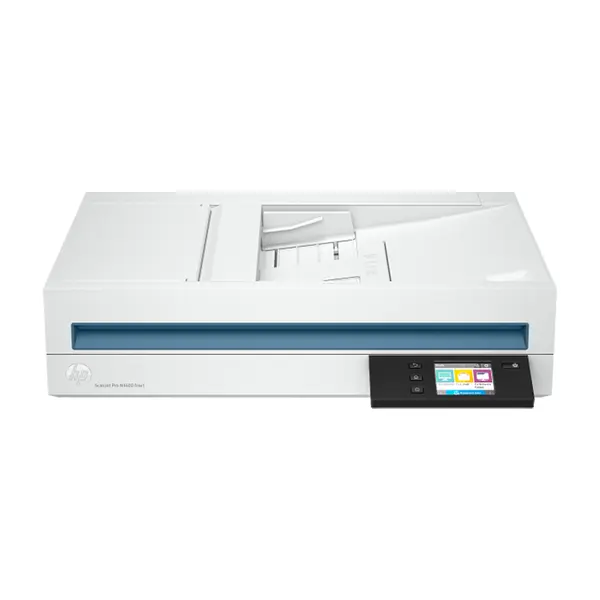
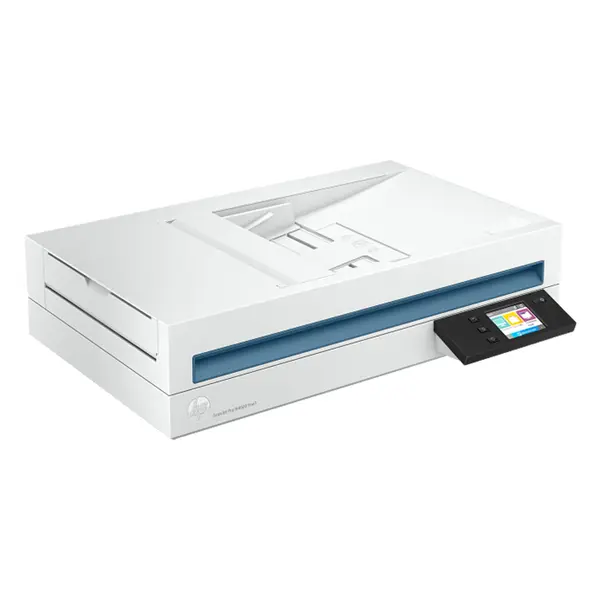
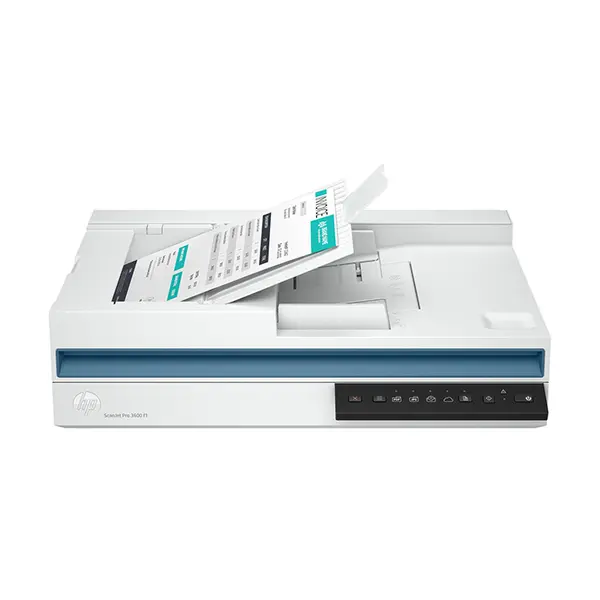
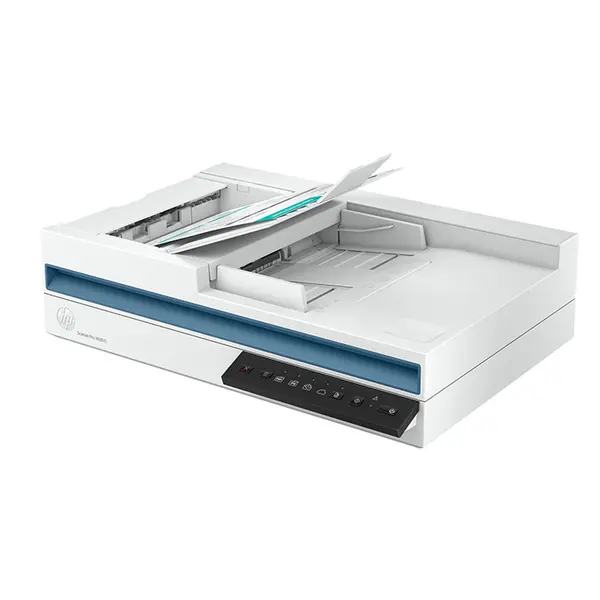
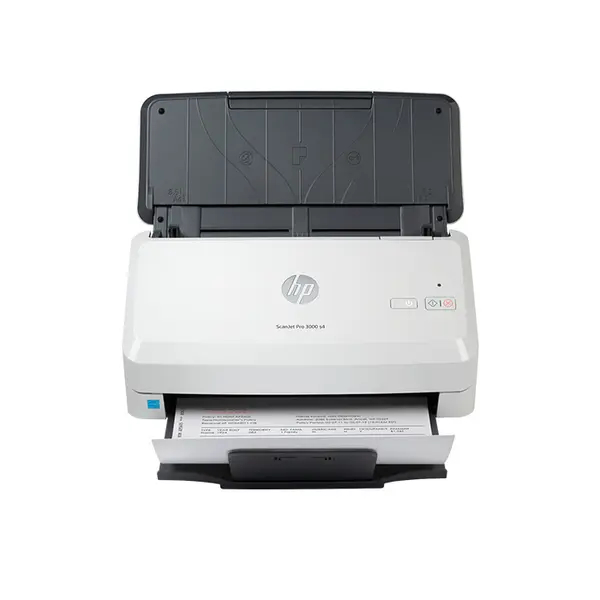
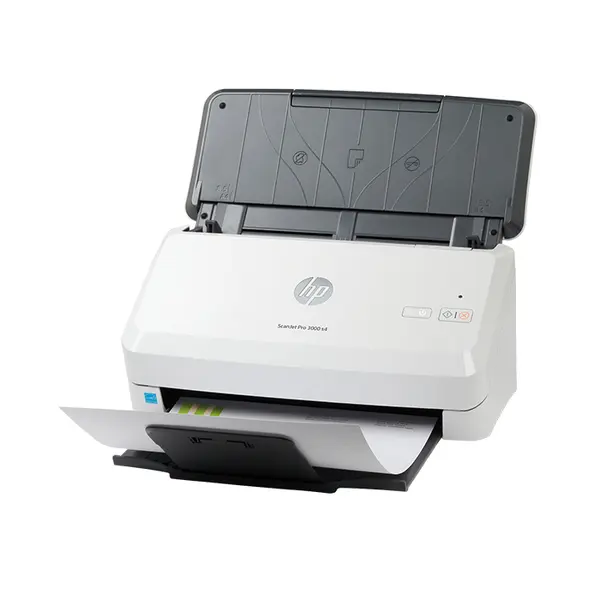
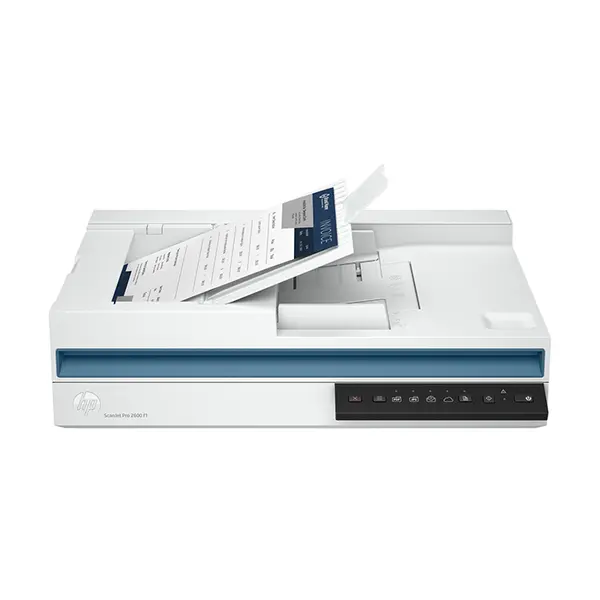
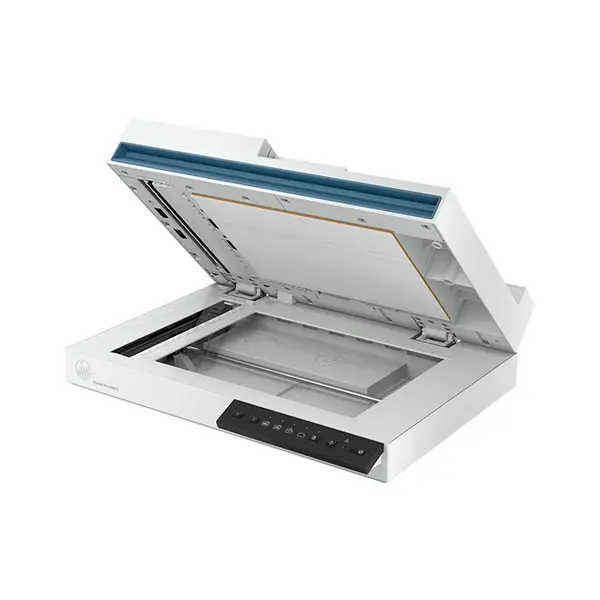
Scanner Price in Pakistan
Compare scanner prices in Pakistan across models designed for documents, photographs, records, and other supported media. Scanners vary in design, optical resolution, scanning speed, supported document sizes, automatic document feeder capacity, duplex functionality, connectivity, software compatibility, and other features. Compare individual specifications according to the material and volume you intend to scan.
Document Scanners
Document scanners are designed primarily for digitizing compatible paper documents. Depending on the model, they may support automatic document feeding, duplex scanning, different paper sizes, and various scanning speeds. Check supported media, feeder capacity, resolution, connectivity, and software requirements before choosing a document scanner.
Flatbed Scanners
Flatbed scanners use a scanning surface on which compatible documents or other supported materials are placed. Specifications such as scanning area, optical resolution, color capabilities, scanning speed, connectivity, and supported media vary between models. Check the individual scanner specifications for the type of material you intend to digitize.
Sheet-Fed Scanners
Sheet-fed scanners move compatible sheets through the scanning mechanism rather than placing them on a flat scanning surface. Supported paper sizes, thicknesses, feeder capacities, scan speeds, and duplex capabilities differ between models. They should be selected according to the type and condition of documents being scanned.
Scanner Resolution
Optical resolution is an important scanner specification, particularly when capturing fine detail, but a higher numerical resolution is not automatically necessary for every workload. Required resolution depends on the source material and intended output. Compare the scanner's native optical specifications rather than relying only on interpolated or software-enhanced resolution figures.
Scanner Speed
Scanning speed may be specified in pages per minute, images per minute, or other manufacturer-defined measurements. Actual performance can vary according to resolution, color settings, document type, duplex mode, connection method, and software configuration. Compare manufacturer specifications under comparable conditions.
Automatic Document Feeder
An automatic document feeder, or ADF, allows compatible sheets to be fed into a scanner automatically. Feeder capacity, supported document sizes and weights, duplex functionality, and scanning speed vary between models. An ADF can be useful for multi-page workflows, but it should not be assumed that every document can safely be passed through a feeder.
Duplex Scanning
Duplex scanning allows a compatible scanner to capture both sides of supported double-sided documents. How duplex scanning is implemented and the supported media can vary between scanners. Check the exact specifications if regularly digitizing two-sided documents.
Scanner Connectivity
Scanners may use USB, Ethernet, Wi-Fi, or other connection methods depending on the model. Connectivity options do not by themselves guarantee compatibility with every computer, network, or operating system. Check supported interfaces, network requirements, drivers, and software before purchasing.
Scanner Software & Operating-System Compatibility
Scanner functionality can depend on compatible drivers and software in addition to the physical connection. Before purchasing, confirm that the exact scanner supports your operating system and any applications or workflows you require. Available features can differ between operating systems.
Scanning Documents & Photographs
Different scanners are designed for different types of source material. A model suitable for high-volume paper documents may have different capabilities from one intended for photographs or other media. Check supported document types, scanning area, resolution, feeder limitations, and other specifications according to what you plan to digitize.
Scanners for Laptops & Desktop PCs
Compatible scanners can work with laptops and desktop PCs through supported connections. Check available ports, operating-system support, driver requirements, network capabilities, and scanning software before purchasing to ensure the scanner can operate with your computer.
Scanner Paper & Document Handling
Supported paper sizes, document thickness, feeder capacity, scanning area, and handling limitations vary between scanners. Fragile, bound, unusually shaped, or otherwise unsupported materials may require a different scanning method from standard loose documents. Check the manufacturer's handling specifications for the exact scanner.
Choose the Right Scanner
Start with the type and volume of material you need to digitize. Then compare scanner design, optical resolution, scan speed, ADF functionality, duplex scanning, supported document sizes, connectivity, software compatibility, dimensions, and document-handling requirements. The appropriate scanner depends on your workflow rather than one specification alone.
Buy Scanners Online in Pakistan
Browse available scanners at Connect2Aryans and compare current prices, scanner types, optical resolution, scanning speeds, ADF capabilities, duplex functionality, supported document sizes, connectivity, software requirements, and available models. Check the individual product specifications before purchasing.
Frequently Asked Questions About Scanners
What is the difference between a flatbed and document scanner?
A flatbed scanner places compatible material on a scanning surface, while many document scanners are designed to feed compatible sheets through the scanning mechanism. Features and supported media vary between individual models.
What is an ADF on a scanner?
ADF stands for automatic document feeder. It allows a compatible scanner to feed multiple supported sheets automatically instead of requiring each page to be placed individually. Capacity and document requirements vary by scanner.
Do I need duplex scanning?
Duplex scanning is useful when your workflow regularly includes supported double-sided documents. If most of your material is single-sided, it may be less important. Check how duplex functionality is implemented on the particular scanner.
Will a scanner work with my laptop or PC?
Only if the scanner supports your operating system, required drivers or software, and an appropriate connection method. Confirm compatibility with the exact scanner model before purchasing.
Not sure which scanner fits your requirements? Read our guide on choosing the right scanner for more detailed buying advice.