
Filters
Price Range
From
To
Brand
Availability
Peripherals » Bags & Cases
Shop bags and cases in Pakistan for laptops, storage devices, electronics, and everyday tech accessories. Compare carrying bags, sleeves, protective cases, and organizers by dimensions, materials, padding, compartments, portability, protection features, and prices to find the right option for your devices.
2 Products
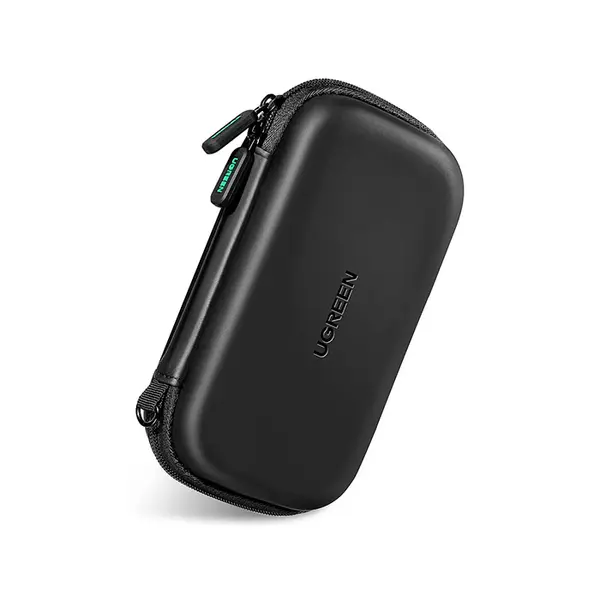
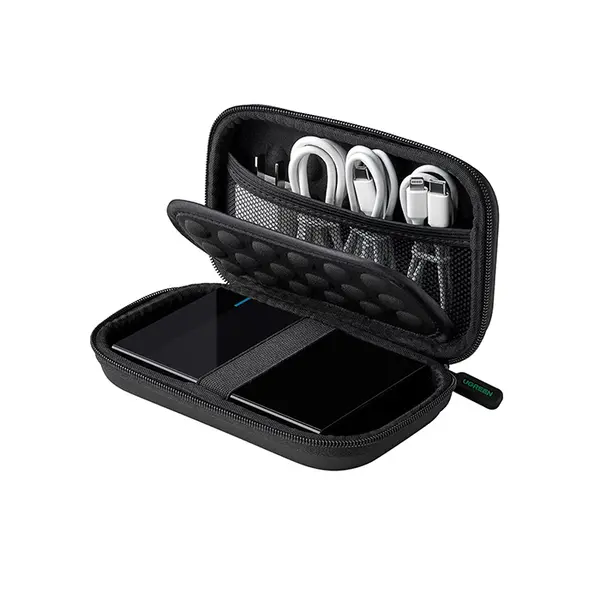
Quick view
Rs. 1,100
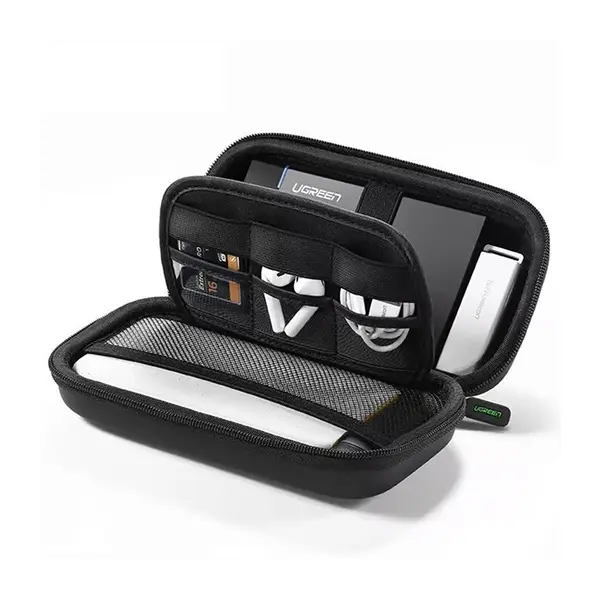
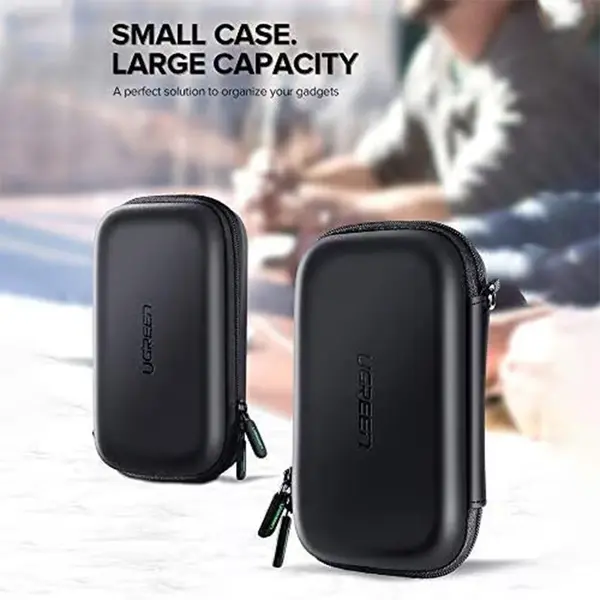
Bags & Cases Price in Pakistan
Compare bags and cases prices in Pakistan across carrying and protective solutions designed for laptops, storage devices, electronics, cables, chargers, and other tech accessories. Available products can vary in dimensions, materials, padding, internal compartments, closure design, carrying options, and protective features. Compare the product specifications and internal dimensions with the equipment you intend to carry before purchasing.
Bags & Cases for Laptops & Tech Accessories
Bags and cases can provide a convenient way to carry and organize compatible electronic devices and accessories. Depending on the product, they may provide dedicated compartments for a laptop, charger, cables, adapters, portable storage devices, and other items. The appropriate design depends on the equipment being carried and the level of portability and organization required.
Laptop Bags
Laptop bags are designed around carrying compatible laptops and can include padded device compartments, accessory storage, handles, shoulder straps, and other features depending on the model. Before choosing a laptop bag, compare its internal dimensions with the physical dimensions of your laptop rather than relying only on the advertised screen size.
Laptop Sleeves
A laptop sleeve provides a relatively compact layer around a compatible laptop and can be useful when carrying the computer separately or inside another suitable bag. Padding, materials, closure type, internal lining, and dimensions vary between models, so compare the individual specifications according to how the sleeve will be used.
Protective Cases for Storage Devices
Protective cases can provide storage and organization for compatible portable drives and related accessories. Depending on the case, internal sections may accommodate a portable SSD, external hard drive, cable, adapter, or other small accessories. Check internal dimensions and layout before assuming a particular storage device will fit.
Tech & Accessory Organizer Cases
Organizer cases and pouches can help keep cables, chargers, adapters, memory devices, and other smaller accessories together while travelling or carrying equipment between locations. Available layouts can include pockets, elastic straps, dividers, or separate compartments depending on the product.
Bag & Case Size Compatibility
Device compatibility should be determined using physical dimensions whenever possible. Products marketed for the same laptop screen size or device category can have different external dimensions, and cases can also differ in usable internal space because of padding, seams, compartments, and their overall construction.
Padding & Protection
The amount and type of protection provided by a bag or case varies considerably between products. Padding can help provide separation between the device and surrounding objects, but it should not be assumed that every padded bag provides the same level of impact protection. Check the manufacturer's design and specifications for the individual product.
Bag & Case Materials
Bags and cases can use fabric, synthetic materials, molded shells, internal lining materials, padding, or combinations of different materials. Material alone does not determine overall durability or protection, so construction, stitching, zippers, padding, and intended use should also be considered.
Compartments & Internal Organization
Additional compartments can be useful when carrying a laptop together with chargers, cables, adapters, portable drives, a mouse, or other accessories. Check the number, dimensions, and arrangement of compartments against the equipment you normally carry rather than choosing only according to the total size of the bag.
Handles, Straps & Portability
Carrying options can include handles, shoulder straps, backpack-style straps, or other designs depending on the product. Consider how frequently the bag will be carried, the amount of equipment inside it, and the manufacturer's specified features when comparing different options.
Zippers & Closures
Bags and cases can use zippers, magnetic closures, hook-and-loop fasteners, or other closure mechanisms depending on their design. Check how the device compartment closes and whether smaller accessories have dedicated sections that help keep them organized during transport.
Water-Resistant Bags & Cases
Some bags and cases may use materials or designs described by the manufacturer as water resistant. Water resistance should not automatically be interpreted as waterproofing, and protection can vary according to construction, seams, zippers, exposure conditions, and the individual product specification.
Bags & Cases for Travel & Everyday Carry
For commuting, work, university, or travel, consider the complete equipment you intend to carry rather than the main device alone. A laptop, charger, mouse, cables, portable drive, adapters, and other accessories can require additional space and organization. Dimensions and portability should therefore be considered together.
Choosing the Right Bag or Case
Start by identifying the device and accessories you need to carry. Check their physical dimensions and then compare compatible bag or case dimensions, padding, materials, compartments, closure design, carrying options, and any manufacturer-stated protective features. This helps avoid choosing a product based only on a general device or screen-size label.
Buy Bags & Cases Online in Pakistan
Browse available bags and cases at Connect2Aryans and compare current prices, dimensions, materials, padding, compartments, carrying options, compatibility, and available models. Check the individual product specifications and dimensions against your laptop, storage device, or other equipment before purchasing.
Frequently Asked Questions About Bags & Cases
How do I choose the correct bag or case size for my laptop?
Compare your laptop's physical width, depth, and thickness with the usable internal dimensions specified for the bag or case. Laptops with the same screen size can have different physical dimensions.
Is a laptop sleeve the same as a laptop bag?
No. A sleeve is generally a more compact enclosure designed around the laptop itself, while a laptop bag can provide carrying handles or straps and additional compartments. Exact features vary by individual product.
Can I use a protective case for a portable hard drive or SSD?
Yes, when the case dimensions and internal layout are compatible with the particular drive. Check the dimensions of both the storage device and case rather than assuming universal compatibility.
Are water-resistant bags waterproof?
Not necessarily. A water-resistant product may provide some protection under specified conditions, but that does not automatically mean it is waterproof. Check the manufacturer's stated protection and usage information.