
Filters
Price Range
From
To
Brand
Availability
Connectivity
Peripherals » Audio & Sound » Wireless Earphones
Shop wireless earphones in Pakistan for music, calls, workouts, travel, and everyday listening. Compare true wireless earbuds and neckbands by Bluetooth connectivity, battery life, microphones, controls, fit, charging, features, compatibility, and prices.
14 Products
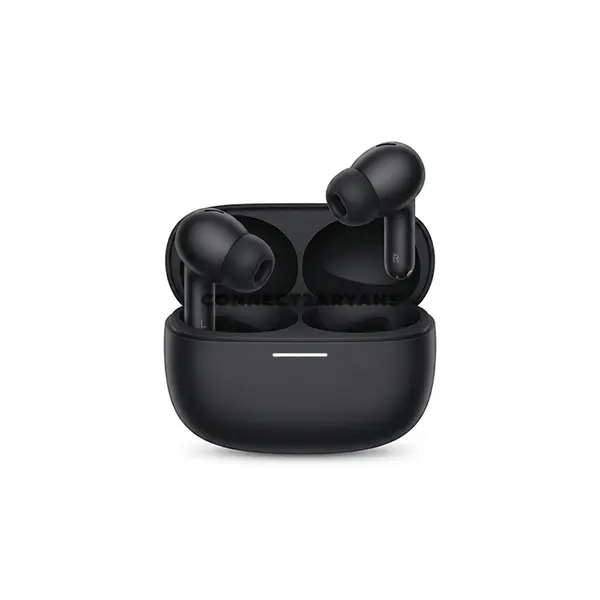
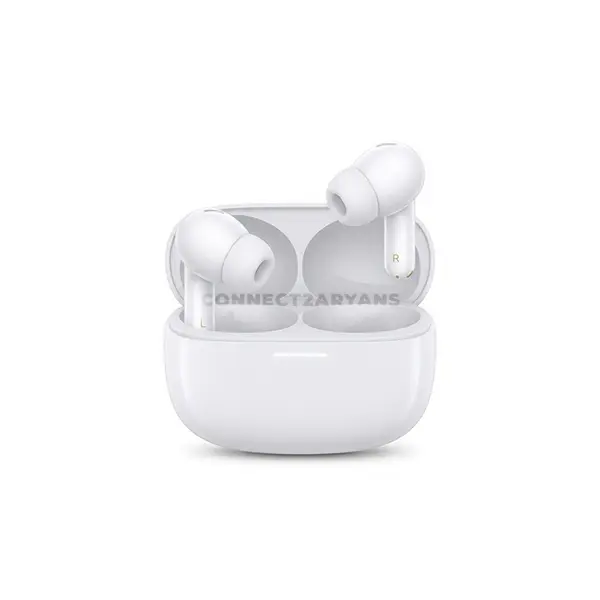
Quick view
Rs. 18,800
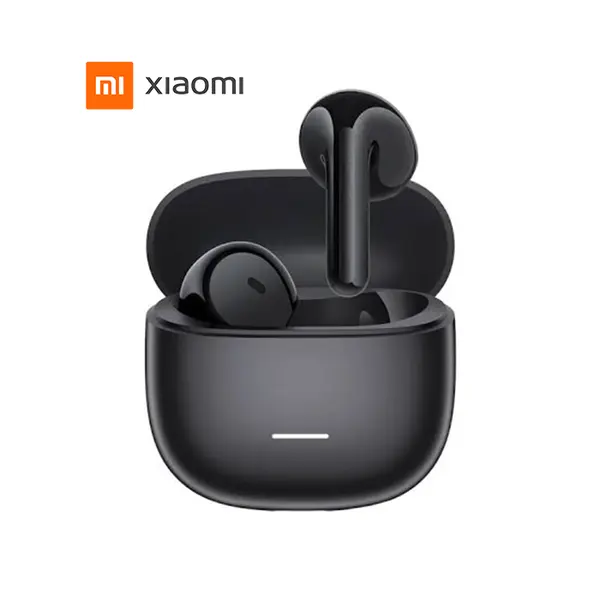
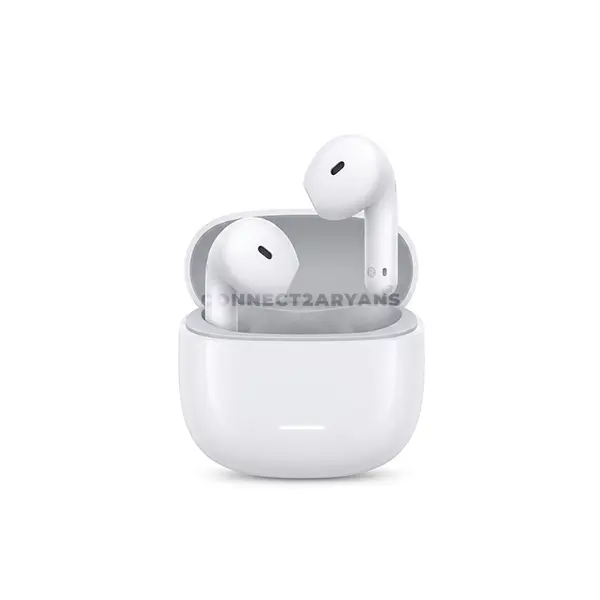
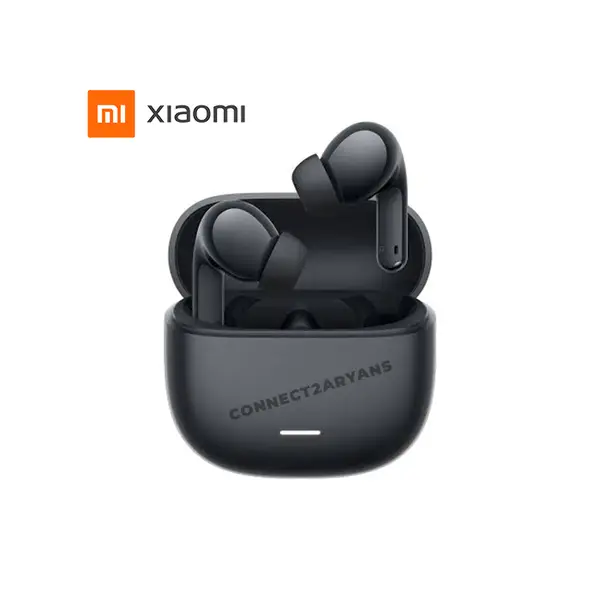
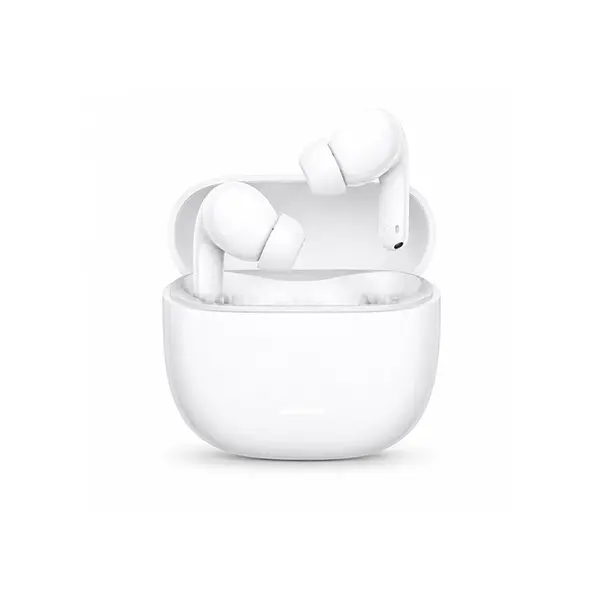
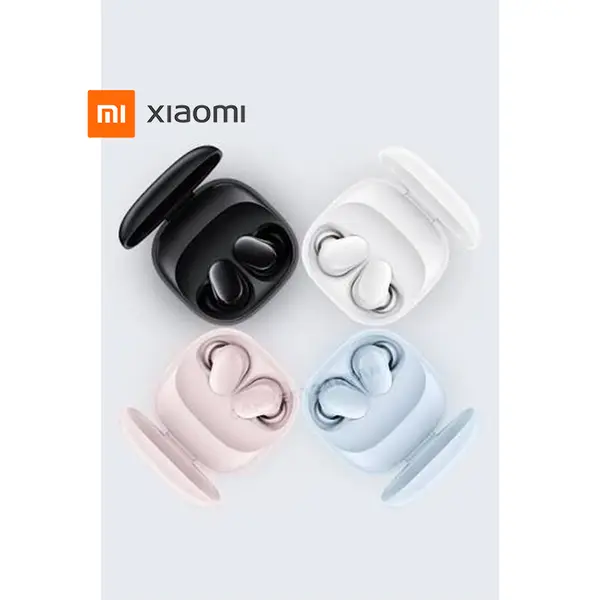
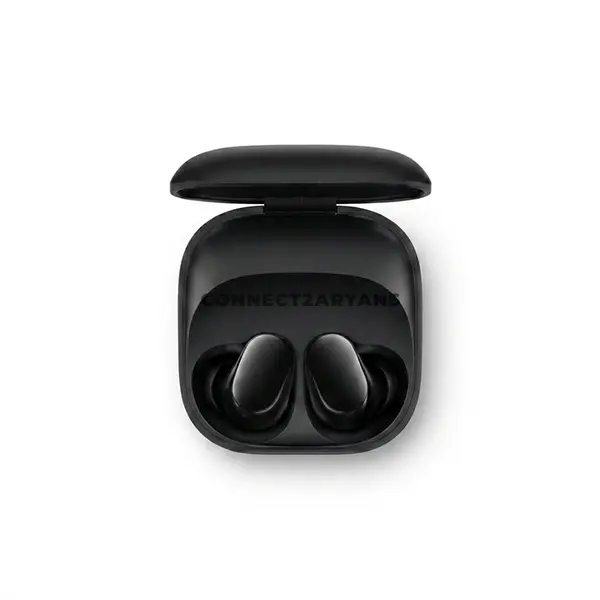
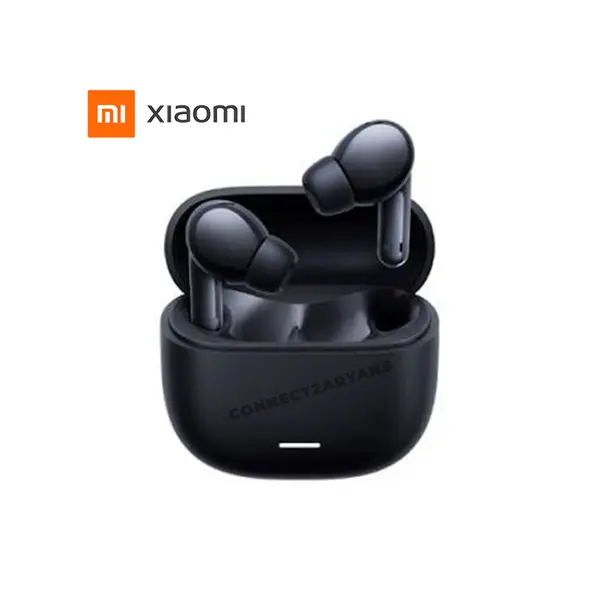
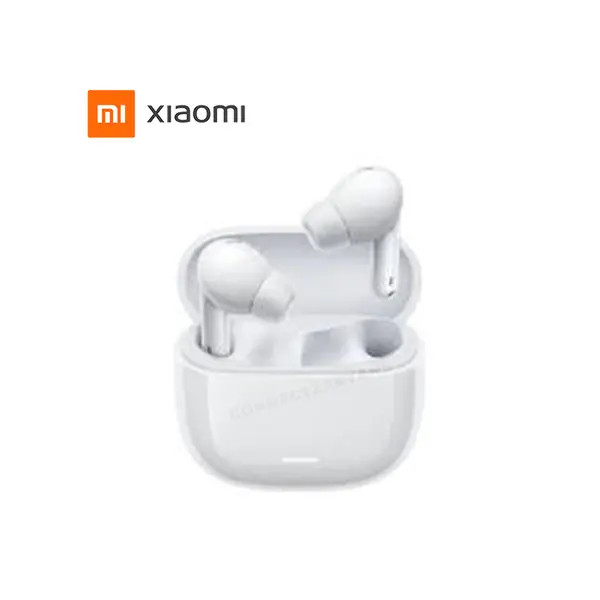
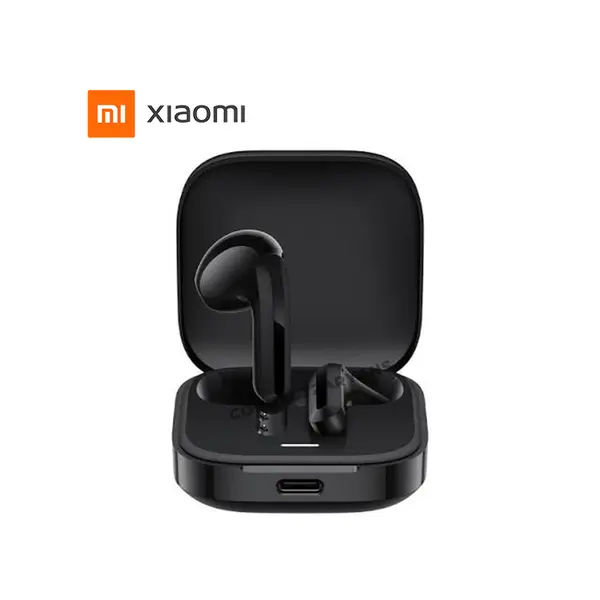
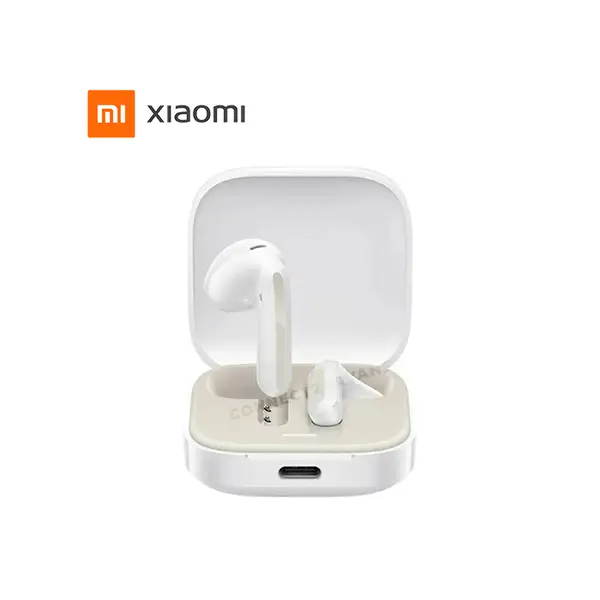
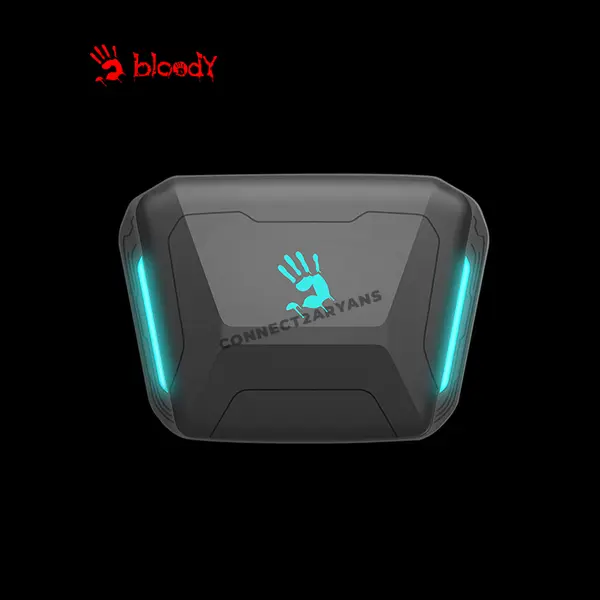
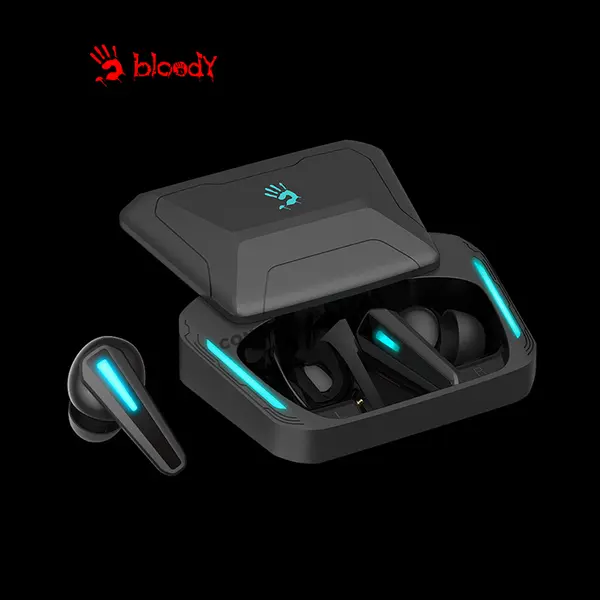
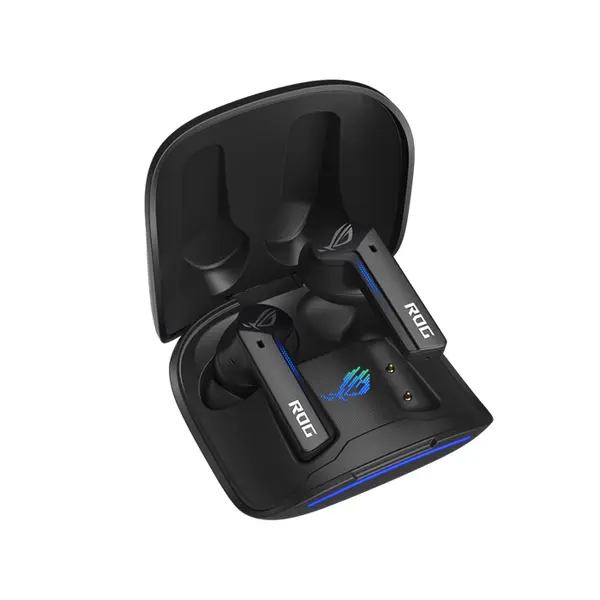
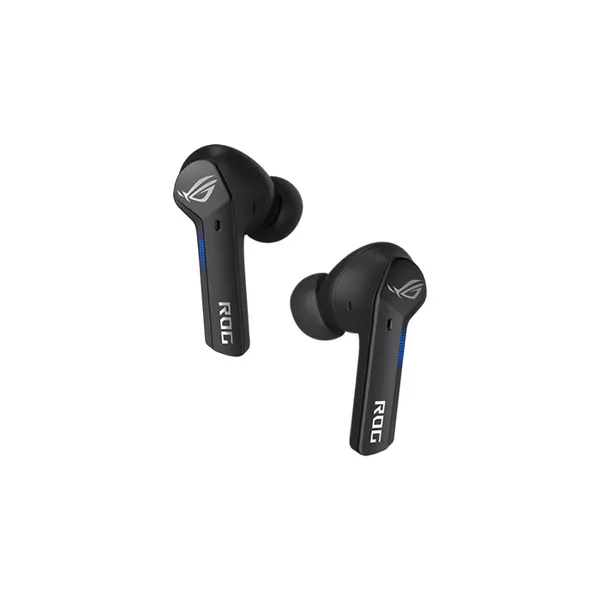
Wireless Earphones Price in Pakistan
Compare wireless earphone prices in Pakistan across models designed for music, calls, travel, workouts, entertainment, and everyday listening. Wireless earphones vary by design, Bluetooth implementation, battery capacity, charging method, microphone configuration, controls, fit, water-resistance rating, and additional features. Compare individual specifications according to your devices and intended use.
Wireless Earphones for Music, Calls & Everyday Use
Wireless earphones can connect to compatible smartphones, tablets, laptops, PCs, and other Bluetooth-enabled devices. Different models prioritize different features, including compact size, battery life, microphone functionality, controls, noise cancellation, water resistance, or multi-device connectivity. Choose according to the features that matter for your everyday use.
True Wireless Earbuds
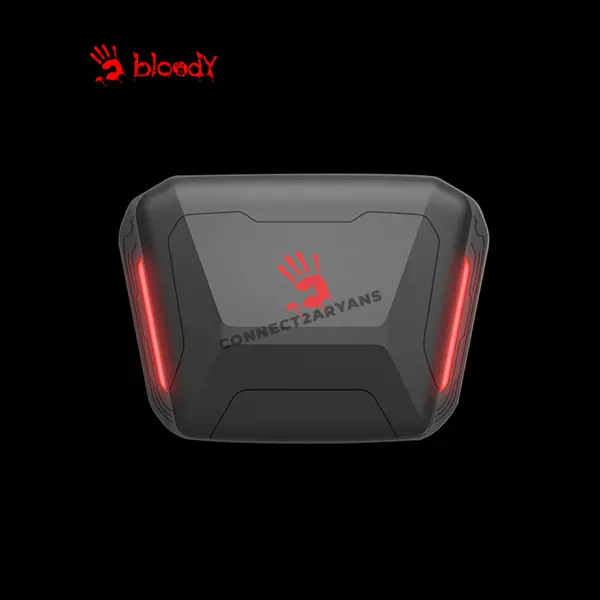
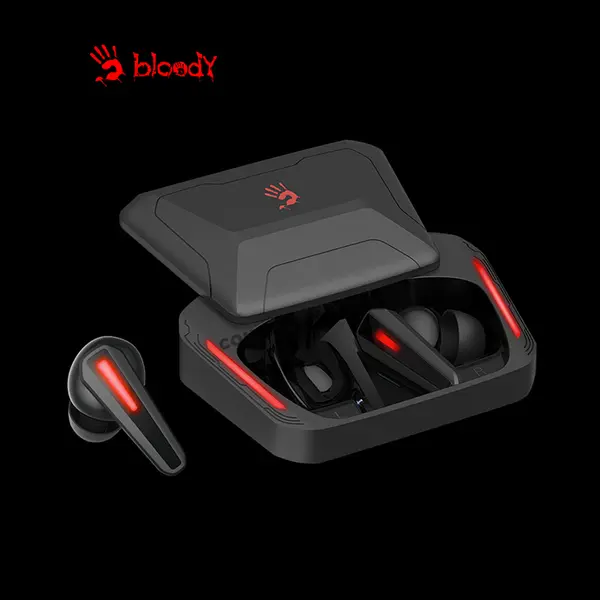
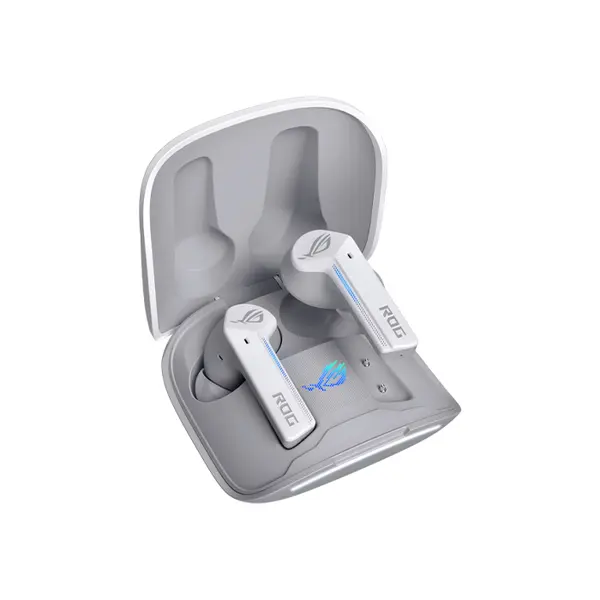
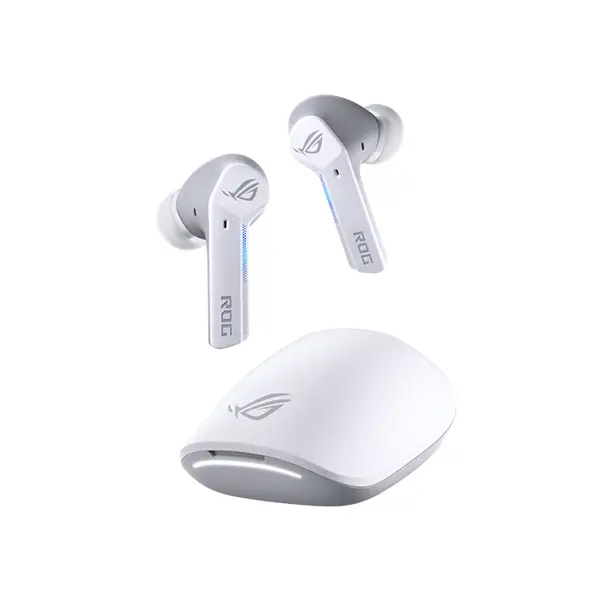
True wireless stereo earbuds, commonly called TWS earbuds, use separate left and right earpieces without a cable physically connecting them during normal use. They commonly include a charging case used for storage and additional charging. Earbud size, case dimensions, battery life, controls, microphones, and features vary between models.
Neckband Earphones
Neckband-style wireless earphones connect the two earpieces through a cable or band worn around the neck while using a wireless connection to the source device. Designs vary by battery arrangement, controls, microphone placement, materials, weight, and other features. Whether TWS or neckband earphones are more suitable depends on personal preference and intended use.
TWS vs Neckband Earphones
TWS earbuds provide completely separated earpieces during use, while neckband models physically connect the earpieces to each other. Both designs are available with different battery capacities, microphones, controls, Bluetooth features, and audio characteristics. Compare individual products rather than assuming one design automatically provides longer battery life or better performance.
Bluetooth Earphones
Wireless earphones commonly use Bluetooth to communicate with compatible source devices. Bluetooth functionality depends on both the earphones and connected device. Supported versions, profiles, codecs, operating modes, multipoint functionality, and other capabilities can vary between products.
Wireless Earphone Battery Life
Battery life varies considerably between wireless earphones. Playback volume, call use, noise cancellation, codec, operating mode, environmental conditions, battery age, and other features can affect runtime. Compare manufacturer specifications for the individual product rather than relying on a general battery-life estimate.
TWS Charging Cases
TWS earphones commonly include a charging case that stores and recharges the earbuds. Case battery capacity, charging connector, wireless charging support, indicators, charging time, and the number of additional charges vary by model. When comparing TWS products, consider both earbud and charging-case specifications.
Wireless Earphone Charging
Wireless earphones can use USB-C, other USB connections, proprietary charging methods, wireless charging, or another system depending on the model. Charging time and power requirements vary, so check the included accessories and manufacturer specifications.
Wireless Earphones with Microphone
Most communication-focused wireless earphones include one or more microphones for calls and voice functions, but microphone design and performance vary considerably. Some models use multiple microphones and processing features intended to manage environmental noise. Check individual specifications if call functionality is important.
Active Noise Cancellation
Some wireless earphones include active noise cancellation, commonly called ANC. ANC uses microphones and signal processing to reduce certain external sounds reaching the listener. Effectiveness varies according to the earphone design, fit, environment, and implementation.
Transparency & Ambient Modes
Some wireless earphones provide transparency, ambient, or similar listening modes that use external microphones to reproduce certain surrounding sounds through the earphones. Available controls and implementation vary between models. These modes are separate from passive isolation and active noise cancellation.
Wireless Earphone Fit
Wireless earphones are available in different shapes and wearing styles. Some use silicone or other ear tips in multiple sizes, while others use an open or semi-open design. Fit affects comfort, stability, passive isolation, and listening experience, but the most suitable design varies between users.
Wireless Earphones for Workouts
Wireless earphones can be used during exercise depending on their design and manufacturer-specified environmental protection. Consider fit, stability, controls, battery requirements, and the product's documented water or sweat resistance before using earphones during workouts.
Water & Sweat Resistance
Some wireless earphones carry an IP or other manufacturer-specified protection rating. These ratings describe particular tested levels of protection under defined conditions and should be interpreted according to the exact rating. Water resistance is not the same as waterproofing, and protection can vary between the earbuds and charging case.
Wireless Earphone Controls
Depending on the model, controls can include playback, volume, calls, voice assistants, noise-control modes, or other functions. Controls may use physical buttons, touch-sensitive surfaces, gestures, manufacturer applications, or a combination of methods.
Wireless Earphone Apps & Software
Some wireless earphones support manufacturer applications for equalizer settings, firmware updates, control customization, noise-control modes, device management, or other features. Application availability and supported functions can vary by operating system and product.
Multipoint Bluetooth
Some Bluetooth earphones support multipoint or other multi-device functionality that can maintain connections with more than one compatible device. The number of supported devices and switching behaviour vary by product, so check individual specifications if you regularly use multiple devices.
Bluetooth Codecs
Bluetooth audio devices can support different audio codecs depending on the earphones and source device. Actual codec use requires compatible support on both sides of the connection. Codec support is one part of a complete wireless audio system and does not by itself determine overall sound quality.
Wireless Earphones for Calls & Meetings
Wireless earphones can be used for calls, online meetings, and voice communication with compatible devices. Microphone behaviour, call controls, battery life, Bluetooth profiles, and software compatibility vary between models and platforms.
Wireless Earphones for PC & Laptop
Bluetooth earphones can connect to compatible PCs and laptops with appropriate Bluetooth hardware and software support. Available microphone, playback, codec, control, and advanced functionality can differ from smartphone use depending on the computer and operating system.
Wireless Earphone Compatibility
Before purchasing, check whether your smartphone, tablet, laptop, PC, or other device supports the required Bluetooth functionality. Advanced features may also depend on operating-system support, manufacturer applications, codecs, or other requirements.
Choosing the Right Wireless Earphones
Start by choosing between true wireless earbuds and a neckband design according to your wearing preference. Then compare fit, battery specifications, charging method, microphone features, controls, Bluetooth functionality, water-resistance rating, noise-control features, software support, and device compatibility.
Buy Wireless Earphones Online in Pakistan
Browse available wireless earphones at Connect2Aryans and compare current prices, TWS and neckband designs, Bluetooth connectivity, battery specifications, charging methods, microphones, controls, fit, noise-control features, water-resistance ratings, compatibility, and available models. Check individual product specifications before choosing wireless earphones for your setup.
Frequently Asked Questions About Wireless Earphones
Should I choose TWS or neckband earphones?
It depends on your preferred wearing style and intended use. TWS earbuds use completely separated earpieces during normal use, while neckband earphones keep the earpieces physically connected. Compare battery life, fit, controls, microphones, charging, and other features for the individual models.
How important is water resistance for wireless earphones?
It can be important for workouts or use around moisture. Check the exact IP or manufacturer-specified protection rating and its limitations. Do not assume all wireless earphones are sweat-resistant or waterproof.
How long does the battery last on wireless earphones?
There is no universal battery-life figure. Runtime varies by model and can be affected by volume, calls, ANC, codecs, operating modes, environmental conditions, and battery age. For TWS models, check both earbud runtime and the additional capacity provided by the charging case.
Can wireless earphones connect to a laptop or PC?
Yes, when the computer and earphones have compatible Bluetooth support. Available audio, microphone, codec, control, and advanced features can vary according to the computer, Bluetooth hardware, operating system, and earphones.